Vrenty Car brings rental comparison and practical local planning together for travellers starting in Cluj-Napoca. The aim is to help you choose a car with an understanding of the whole trip: arrival, payment, parking, regional outings and return. This is an independent affiliate comparison and editorial website. Localrent facilitates bookings, and the selected rental supplier provides the vehicle and the rental contract.
A rental decision starts before choosing a model
Two cars in the same category can lead to different travel experiences because the surrounding conditions differ. One collection appointment may fit your flight; another may require a transfer or a different hour. One payment arrangement may work with your card; another may not. Our guides begin with those practical differences so that a shortlist is useful before a payment is made.
The Cluj-Napoca car rental page connects the comparison with the local journey. It asks whether a car is needed for the entire stay, what luggage must fit and where the vehicle will be parked. These questions can change the right rental period or category even when the initial search began with a simple request for the cheapest car.
A good decision does not require choosing the largest vehicle or the most extensive option package. It requires a clear match between the trip and the agreement. The editorial role is to make that match easier to assess in ordinary language.
Who is responsible for each part
Vrenty Car publishes comparison-oriented information and local guides. It does not present itself as the owner of the displayed fleet, an airport concession or a local handover office. A photograph of a car illustrates an offer within the external booking service; it should not be read as a claim that Vrenty Car owns that vehicle.
Localrent provides the booking service used for the offers, while the individual supplier handles the vehicle and its rental agreement. For an existing reservation, the confirmation identifies the relevant contacts. Keep those details because a question about an arrival appointment or a warning light needs an operational response from the party responsible for the car.
This distinction also helps with paperwork. A booking confirmation, a rental agreement, a payment receipt and a parking ticket serve different purposes. Store them together, but do not expect one document to replace the others. Our how it works guide follows those stages in sequence.
| Part of the journey | Relevant role | What to retain |
|---|---|---|
| Reading local guidance | Vrenty Car editorial website | The useful source or guide link |
| Making a reservation | Localrent booking service | Confirmation and accepted conditions |
| Collecting and using the vehicle | Selected rental supplier | Rental agreement and condition record |
| Paying for local parking | Operator of the actual parking place | Payment confirmation or receipt |
How the affiliate relationship fits the service
The website uses an affiliate relationship with Localrent. Vrenty Car may receive a commission when a qualifying booking is made through that relationship. The presence of an affiliate link or booking service does not establish that a particular car is the best choice for every visitor, or that every supplier in Cluj is represented.
Compare the actual offer on its merits: price, payment, security, protection, mileage and collection arrangements. Do not treat the site's commercial relationship as a substitute for reading the conditions. A useful comparison can lead you to a smaller car, a shorter rental or a decision to hire only after your city stay.
Our articles do not invent ratings, customer testimonials or price histories to make that relationship appear more persuasive. Where no verified price series is available, the guidance focuses on comparing live dates and complete totals. That is more informative than presenting an unsupported seasonal chart as market evidence.

Why this site focuses on Cluj-specific decisions
Cluj Airport arrival logistics, central parking and day trips around Turda create a different set of questions from a generic country rental page. The airport guide distinguishes the airport location from the supplier's precise handover arrangement. That distinction remains useful even when an airport option is clearly available in the booking service.
The city driving and parking guide draws on municipal information about different parking systems. A traveller needs to know whether payment applies to a street space or a barrier facility, not merely that paid parking exists. Local detail matters when it changes an action at the vehicle.
Route guides are selected for their connection with car use. They discuss arrival points, parking, luggage, walking demands and return timing. They are not intended to turn every sightseeing idea into a reason to rent for longer. A focused day with a clear plan can be the better use of a car.
How researched facts and planning advice differ
Official operators and public authorities are the starting points for precise local facts. The mine operator is the relevant source for Salina Turda's entrance; the municipality is relevant for parking systems; a local authority notice matters when an attraction's access is restricted. Source links let readers check the information closest to the decision.
Planning advice is different from a verified operational fact. A suggestion to leave time for fuel is practical guidance, while an opening time or admission price needs current evidence. The guides distinguish those categories by avoiding unsupported numbers and by asking readers to check arrangements that can change before departure.
A source can also have limits. An official airport directory describes airport services, but does not confirm the meeting point of every external reservation. A tourism page can explain where a gorge lies without proving that a particular path is safe today. Good use of a source means keeping the claim within what it actually establishes.
Dates are especially useful when an official notice describes a temporary situation. The Rimetea guide identifies the municipality's July 2026 fortress notice and the date it was checked, rather than turning it into a permanent statement. That lets a reader understand why a proposed stop needs fresh confirmation. The same discipline applies to admission arrangements and parking rules: a source is valuable because it can be revisited, not because attaching its name makes every future detail certain. Where a current fact cannot be established, the page should leave the uncertainty clear enough to support a different plan.
Why some details are deliberately conditional
Vehicle availability changes with dates, driver eligibility and the selected conditions. A no deposit search result observed for one period is not evidence that the same arrangement exists for every visitor. Similarly, debit acceptance belongs to the selected offer. We explain the questions to ask rather than promise that a payment method always works.
The no deposit guide separates temporary security from liability. The no credit card guide addresses the card and cardholder requirements. Keeping the subjects separate avoids an attractive but misleading implication that removing one condition removes all the others.
Travel plans also need conditional language. A route estimate depends on where you leave, where you park and the conditions that day. A village visit can be planned without assuming a nearby fortress is open. The aim is useful confidence in the next step, rather than certainty about facts that have not been established.

Which travellers may find the guides useful
An international arrival may need help turning a flight time into a realistic pickup appointment. A returning visitor may already know Cluj but need to check whether a debit card is accepted for the selected car. A family may need to compare luggage space after fitting child seats. Each begins with a different constraint, and the guides provide a route into the relevant details.
Business travellers may care about reliable collection, invoice details and a return schedule that fits an early flight. Travellers planning several day trips may need to understand mileage and overnight parking. The same car can be suitable in one situation and inconvenient in another, so the content does not nominate a universal best category.
The site can also help you decide to delay collection. If your first days are entirely central, arranging a car for the excursion portion may simplify the stay. A comparison service is most useful when it helps define what is needed, not only when it encourages an immediate reservation.
What the route guides are designed to answer
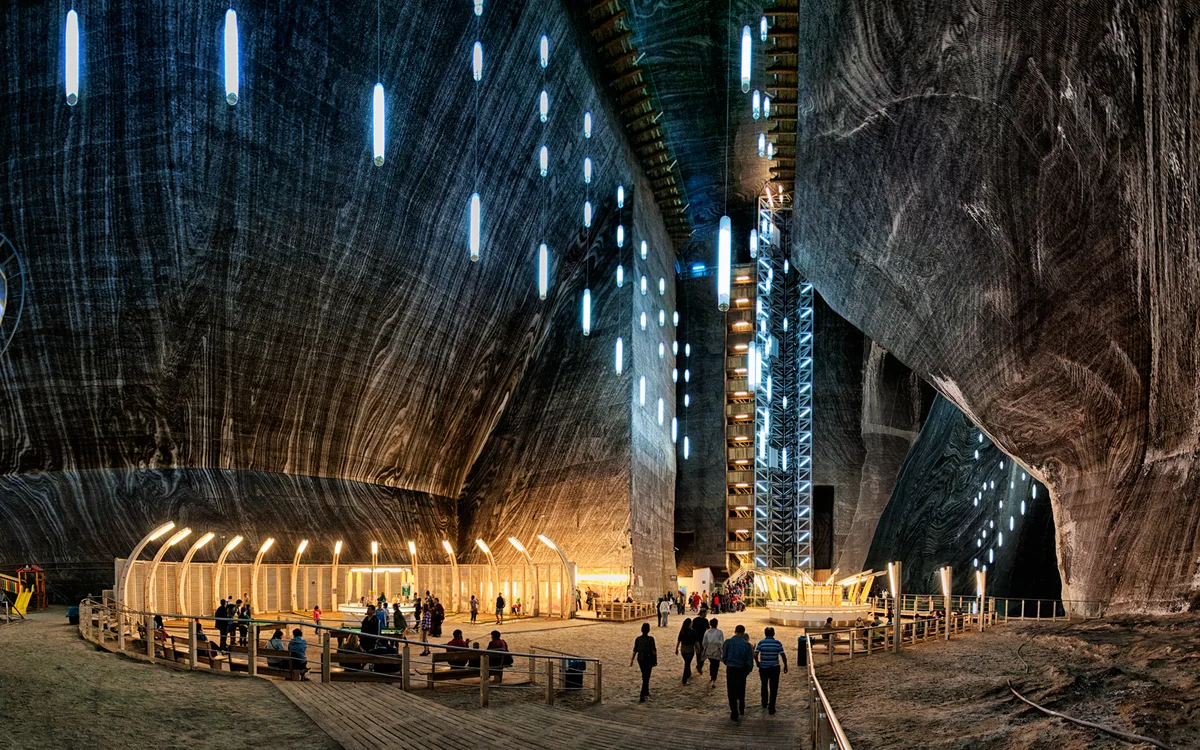
The Salina Turda guide centres on the visitor entrance, admission checks and the practical difference between arriving by car and preparing for the underground visit. It treats optional stops as choices that should fit around the main outing.
The Turda Gorge guide separates road access from outdoor activity. Reaching an access area does not determine a suitable walk, and hiring an SUV does not establish permission to use trails. Weather, daylight and the group's abilities belong in the plan before departure.
The Alba Iulia guide considers parking and walking around Alba Carolina. The Rimetea guide treats the village, scenery and local access notices separately. Together they provide different ways to use a rental, rather than repeating one generic road-trip checklist under several place names.
What should be confirmed before a reservation
Start with the driver and documents, then check payment and the security requirement. Confirm the vehicle's transmission and usable luggage space. Review the pickup and return locations, the mileage allowance and any extras that are essential to the trip. These are the details that can make an apparently suitable offer unusable at collection if left unresolved.
Ask concise questions that identify the actual booking. A message stating the driver's age, card type and arrival time is easier to answer than a broad request to confirm that everything will be fine. Retain the response with the final offer, especially if the answer concerns a condition that is not obvious in the booking summary.
Once booked, check the confirmation promptly. The booking policy guide explains how to think about changes, cancellation and missed collection. It does not replace the accepted terms, but helps identify which part of the booking needs attention when your travel plans change.
Where to seek help and what to provide
For a vehicle handover or an issue during the rental, use the supplier contact in the confirmation. For booking administration, use the verified Localrent support route. The contact page explains what information to prepare without presenting an invented Vrenty Car phone number or local address.
A useful enquiry contains the booking reference, relevant date, exact problem and the result you are asking for. For a disputed charge, add the applicable receipt or condition record. Keep full card details and identity documents out of public messages, and verify the recipient before sharing information privately.
Vrenty Car does not claim round-the-clock roadside assistance or a direct operational team in Cluj. Those services, where included, must be checked in the selected offer. Clear responsibility helps the traveller reach someone who can act on the problem rather than expecting an editorial website to dispatch a replacement vehicle.
Privacy and publication limits
The terms and privacy page explains the automatically loaded external booking service, technical requests and browser storage. Reading a page can involve external services before a reservation is submitted. The absence of an independent Vrenty Car payment form does not establish that no technical data is processed.
A verified website-owner legal identity and direct privacy contact have not been supplied for this publication. The site does not fill that gap with an invented address or a hosting account contact. The published information is therefore limited in that respect, while the external providers publish policies for their own services.
Use this page as a clear description of the site's role. For the actual rental, rely on the final offer and agreement, and check current official information where a local detail affects the journey. That combination supports an informed decision without confusing editorial help with a contractual promise.
- 1. Define the journeys for which a car is useful.
- 2. Compare the complete conditions for suitable vehicles.
- 3. Confirm unclear eligibility or handover details in writing.
- 4. Retain the agreement and use the responsible provider for operational help.
Questions & answers
Does Vrenty Car own the cars shown?
No fleet ownership is claimed. The selected rental supplier provides the vehicle and its rental contract, while Localrent facilitates the reservation.
Is Vrenty Car an airport rental desk?
No. Follow the supplier's confirmed meeting instructions for the booking you select.
How does the website earn revenue?
It uses an affiliate relationship and may receive commission from qualifying bookings through Localrent.
Are the guides a promise of availability?
No. Check the live offer for your dates and driver, and confirm the conditions before paying.
Why are official sources linked?
They let you verify local facts and recheck information that can change, such as access arrangements or municipal parking guidance.